
Jackson Fireplace Service Advice
From the Animals Trying to Move Into Your Chimney
To you, a chimney is part of the fireplace system that keeps your home warm and comfortable. To us, it can look like a private apartment with sturdy walls, protection from bad weather, and easy access from the roof.
Who are we? We are the birds, squirrels, raccoons, bats, and other animals searching for a safe place to rest, nest, or raise our young. Jackson homeowners may not realize how inviting an open or damaged chimney can appear until scratching, chirping, odors, or debris begin coming from the fireplace.
From our perspective, the perfect chimney is quiet, uncapped, and rarely inspected. From your perspective, those same conditions may signal that it is time to contact a professional for Jackson fireplace service.
An Uncovered Chimney is an Open Door
Imagine finding a tall, enclosed shelter that protects you from wind, rain, and predators. That is how an uncapped chimney can appear to wildlife.
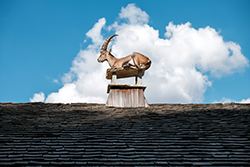
Birds may enter while searching for nesting locations. Squirrels can climb across roofs and investigate chimney openings. Raccoons are strong enough to access surprisingly difficult areas, while bats may enter through gaps that seem far too small to accommodate an animal.
A properly installed chimney cap helps discourage us from entering while still allowing smoke and exhaust gases to leave the home. Caps can loosen, rust, bend, or disappear during storms, so homeowners should not assume that a cap remains secure simply because one was installed years ago.
Professional Jackson fireplace service can include checking the chimney cap, screening, masonry, flashing, and other exterior components that may provide wildlife with an entry point.
We Bring Noise and More
You may first notice us because of scratching, fluttering, or chirping sounds. Unfortunately, our presence can create problems beyond an occasional disturbance.
Animals may carry leaves, twigs, grass, paper, and other materials into a chimney while building a nest. These materials can obstruct airflow and introduce combustible debris into the flue. Droppings, feathers, fur, and nesting materials may also create unpleasant odors that move into the living area.
A blocked chimney can interfere with proper ventilation when the fireplace is used. Smoke, soot, and combustion gases need a clear path out of the house. Any obstruction inside the flue deserves attention before the next fire is started.
Homeowners should never light a fire in an attempt to force an animal out. Doing so could injure the animal, ignite nesting material, or push smoke and harmful gases back into the home.
Sometimes We Cannot Get Back Out
Entering a chimney is not always difficult for us. Escaping can be another matter.
A bird may fall below its nest. A squirrel may travel too far down a smooth flue. An animal can become trapped behind a closed damper or enter a section of the fireplace system with no easy return route.
If you hear movement inside the chimney, avoid opening the damper or reaching into the firebox without knowing what is above it. A frightened animal may enter the room, bite, scratch, or injure itself while attempting to escape.
Some animals are also protected by state or federal wildlife regulations, particularly when they are nesting or raising young. A qualified wildlife removal professional may need to handle the animal, while a fireplace technician can inspect and repair the chimney after the removal is complete.
We Notice Chimney Damage Before You Do
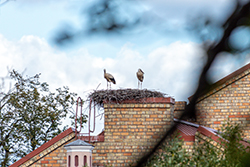
Small gaps in mortar may not attract your attention from the ground, but they can give us a foothold or entry point. Cracks, missing mortar, deteriorated masonry, damaged flashing, and openings around the roofline may all make the chimney easier to access.
Moisture often contributes to these problems. Water can enter damaged masonry, freeze during cold weather, and expand existing cracks. Over time, the chimney may become more vulnerable to both structural deterioration and animal intrusion.
Routine Jackson fireplace service gives a trained technician the opportunity to identify these developing concerns before they become larger repair projects. An inspection can reveal exterior damage, interior blockages, cap problems, and signs that an animal has already visited.
Even After We Leave, Evidence May Remain
Once an animal exits or is removed, the chimney should not automatically be considered ready for use. Nesting material may remain lodged inside the flue. Droppings and debris may collect on the smoke shelf, damper, or firebox. An animal may also damage a cap or screening while entering or escaping.
A professional inspection can determine whether the chimney requires cleaning, repairs, or a new cap. The technician can also confirm that the flue has a clear passage and that the fireplace system is in suitable condition for operation.
Make Your Chimney Less Appealing
We do not choose chimneys because we want to inconvenience homeowners. We choose them because they appear safe. The best way to discourage us is to remove the conditions that make your chimney attractive.
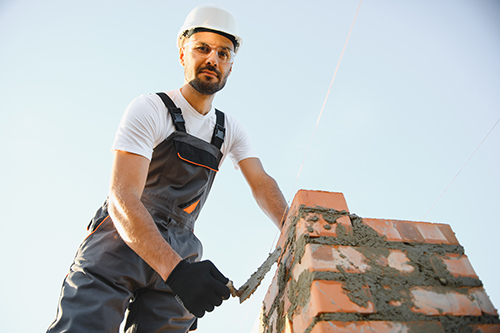
Keep the chimney cap secure and in good condition. Schedule inspections regularly, especially after severe storms or visible roof damage. Pay attention to unusual sounds, strong odors, falling debris, or changes in fireplace performance. Avoid delaying service when something seems wrong.
Chimney service can help homeowners evaluate fireplace and chimney components, identify possible wildlife entry points, and address the debris or damage animals may leave behind. Timely Jackson fireplace service with Baron’s Chimney Service can help restore proper ventilation while making the chimney far less welcoming to future visitors.
From our point of view, an uncapped chimney is a wonderful opportunity. From yours, it is a reminder that a little preventive maintenance can keep wildlife outside where it belongs.